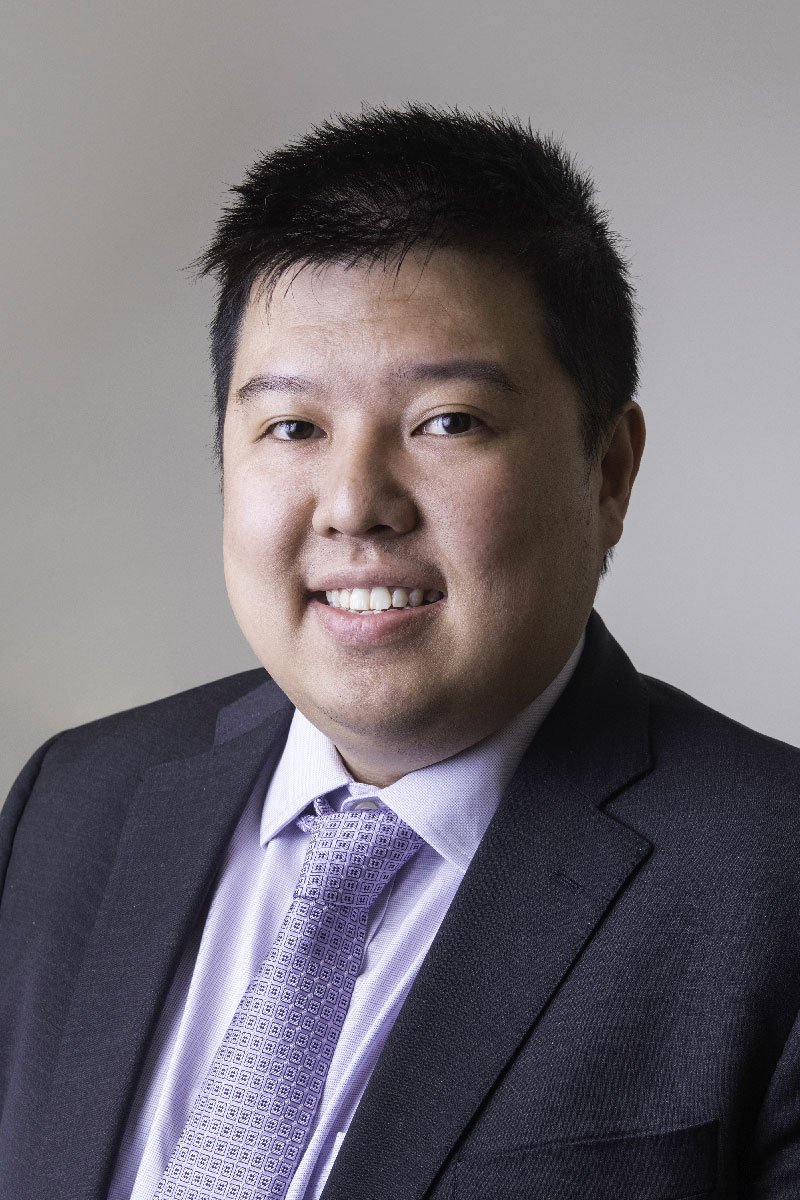
Wayne Soon is an Associate Professor in the Program of the History of Medicine in the Department of Surgery and the Program of History of Science, Medicine, and Technology. He received his B.A. from Carleton College and his Ph.D. in history from Princeton University and previously taught at Earlham College and Vassar College.
Dr. Soon is a historian of medicine as well as modern China and Taiwan. His 2020 book, Global Medicine in China: A Diasporic History (Stanford University Press), tells the global health history of Chinese East Asia through the lens of diasporic Chinese medical personnel, who were central in introducing new practices of military medicine, blood banking, mobile medicine, and mass medical training to China and Taiwan. Universal care, practical medical education, and mobile medicine are all lasting legacies of this effort on both sides of the Taiwan Straits.
His second book project, How Taiwan Beat COVID and Then Lived with It, argues that the Taiwanese government’s early success during COVID-19 stemmed from its ability to correct mistakes made during the 2003 SARS outbreak and its navigation of complex relationships with China, the United States, and the previous administration. Dr. Soon also demonstrates that Taiwan’s achievement lay in the participation of a diverse array of actors across Taiwanese society: businesspeople, journalists, engineers, diplomats, health economists, practitioners of traditional Chinese medicine, biomedical researchers, museum directors, convenience store owners, activists, and members of the diaspora. Dr. Soon shows how these groups played a central role not only in combating the virus—by procuring vaccines, developing traditional therapies, demystifying the science of viral transmission, and promoting mask-wearing—but also in making Taiwan’s response visible on the global stage. Finally, the monograph situates Taiwan’s experience beyond the acute stage of the pandemic by placing its experience in living with the virus alongside other “third-way” Asia-Pacific countries, such as Australia, New Zealand, South Korea, Japan, and Singapore, showing how these nations adopted innovative, moderate, and sustainable strategies to cope with endemicity.
His third book project focuses on the history of health insurance and medical practices in postwar China and Taiwan. Augmenting narratives that center ideology and developmentalism as central to healthcare histories, he argues that health insurance emerged as a critical affective regime in mediating growing demands by physicians and patients and the desire by the postwar state to promise universal care while spending as little as possible on healthcare.
Dr. Soon is a frequent contributor to The Diplomat, a Washington D.C. based current affairs magazine. He has also published scholarly articles in Bulletin of the History of Medicine, Twentieth Century China, Global China Pulse, American Journal of Chinese Studies, and East Asian Science, Technology and Society: An International Journal. He is also the editor for a 2024 special issue in the East Asian Science, Technology and Society entitled “Biogeopolitics of Health Insurance in East and Southeast Asia.”
He teaches courses on the history of modern medicine, the history of medicine and society in China and East Asia, and the history of global health and medicine.