Synthetic biology

Engineering stem cell-derived immunotherapies
Andrew Khalil's group uses pluripotent stem cells and genetic engineering to study immune mechanisms in cancer and chronic diseases. By examining pathways that regulate immune cell functions, the lab seeks to create next-generation and transformative cell-based therapeutic strategies and enhance patient outcomes.
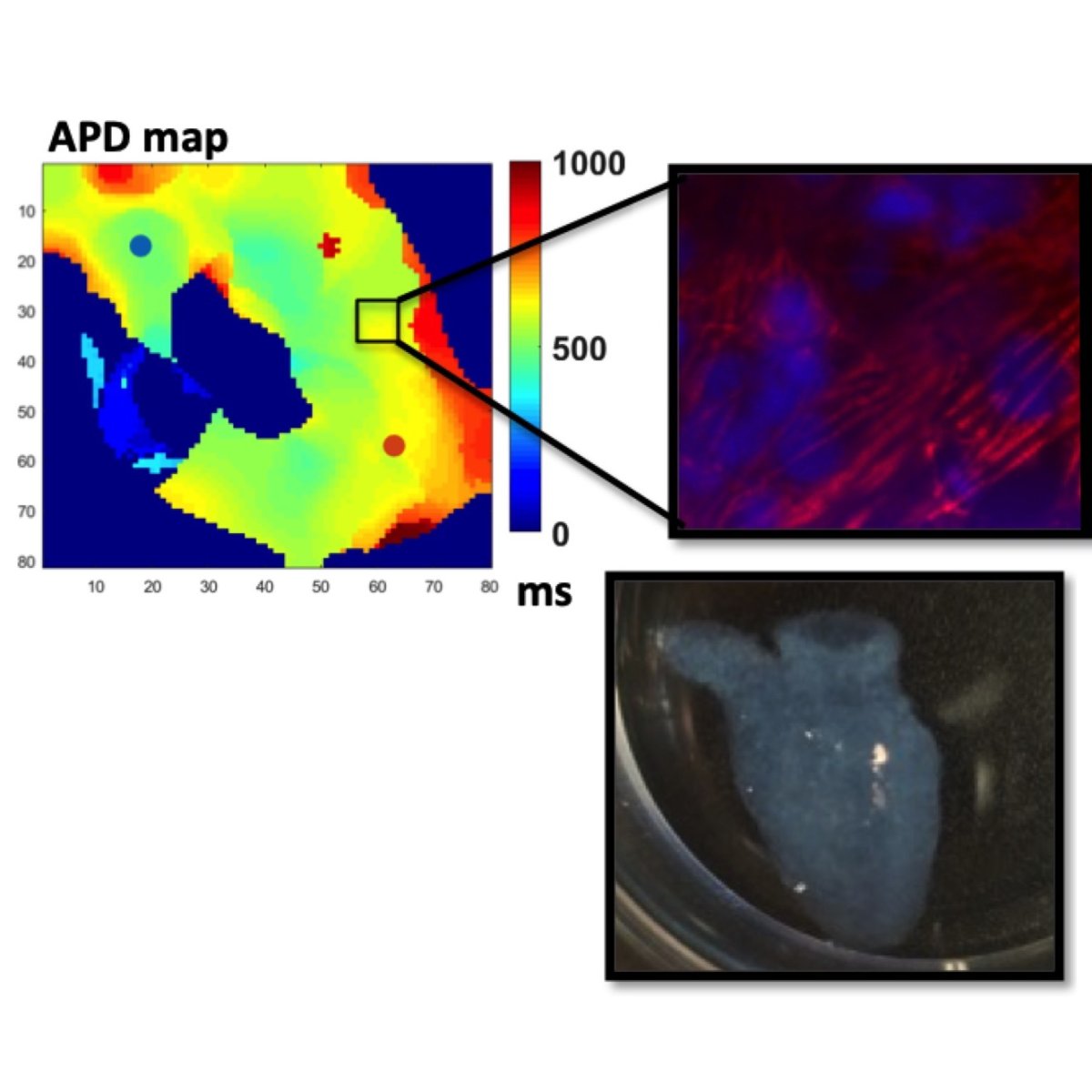
Bioprinting cardiac tissues
The Brenda Ogle's lab is pushing the boundaries of 3D cardiac bioprinting. The lab created patches that can be adhered to failing hearts, which has successfully restored cardiac function in rodents. Plus, the team fabricated living hearts based on a human heart’s magnetic resonance imaging (MRI) data.
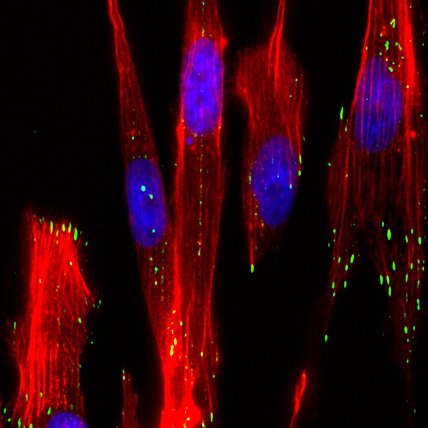
Bioengineering cancer therapies
Paolo Provenzano’s lab is developing new ways to combat cancer. Approaches include re-engineering tumor microenvironments to remove tumor-promoting cues, enhancing drug delivery, promoting anti-tumor immune responses, and developing next-generation cell-based therapies.
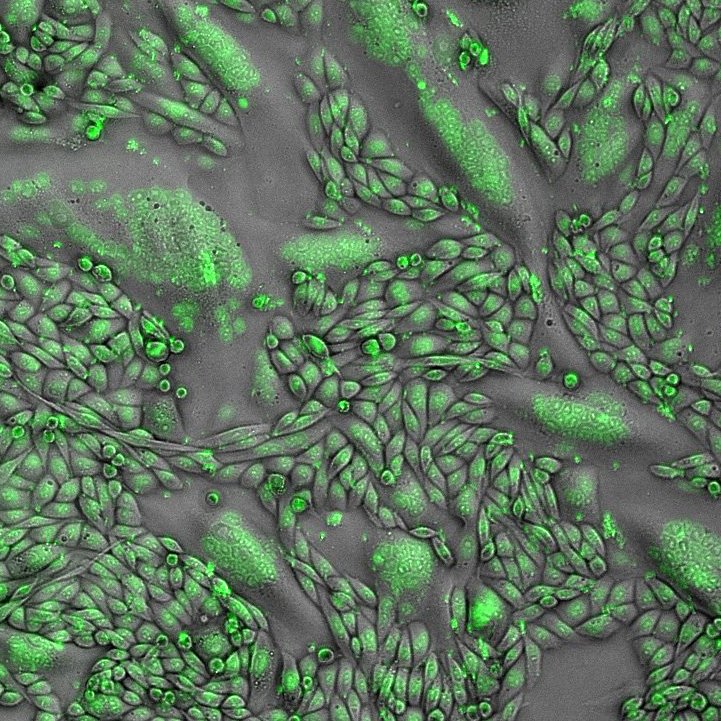
Designer biomolecules and cells for precision medicine
The Sarkar laboratory uses approaches from biomolecular engineering, synthetic biology, and systems biology to design biomolecules and cells with novel functions, including precision targeting and sense-and-respond capabilities. These technologies are being applied to create new molecular and cellular therapeutics for cancer, immunological disorders, infectious diseases, and food security.

Engineering gene control for therapy
The Zhang Lab develops programmable gene and cell therapies by combining synthetic biology, AI-guided design, high-throughput screening, and engineered human models. The lab uncovers gene-regulatory mechanisms and engineers components and circuits that enable cells to sense, compute, and respond to disease-relevant signals.
Research from our graduate faculty

Protein engineering for targeted therapy
The Hackel Lab innovates protein engineering technologies to empower discovery and design of physiological targeting agents for molecular diagnostics and targeted therapy. The drug discovery and delivery platforms are applied to oncology, immune modulation, infectious disease, and beyond.

Peptide-guided drug delivery
Hongbo Pang's lab utilizes phage display to rapidly identify novel disease-seeking peptides. These peptides can function as "GPS" to navigate drugs more selectively to disease sites in vivo, thus improving the therapeutic efficacy and safety.

Tracking RNA in the living brain
Hye Yoon Park’s lab visualizes how neurons store memories by tracking RNA molecules in real time. This helps reveal how learning shapes the brain and opens new paths for diagnosing and treating neurological diseases.