About the Geoengineering Major

Geoengineering bridges the gap between Earth’s natural systems and the needs of modern society. By applying earth sciences to societal challenges, geological engineers help build safer communities, protect the environment, and ensure access to vital resources. Their work supports everything from designing stable foundations for tunnels, dams, and roads to assessing risks from natural disasters like earthquakes and landslides 

This interdisciplinary field includes geotechnical investigations, environmental planning, hydrogeology, and hazard mitigation. Geoengineers support sustainable development by locating clean water, managing pollution, and guiding responsible resource extraction.

Our geoengineering program builds on a strong foundation of mathematics, chemistry, and physics, with courses in both civil engineering and earth sciences, to prepare students for careers at the intersection between natural and built structures. 

Geomechanics Emphasis for Graduate Studies
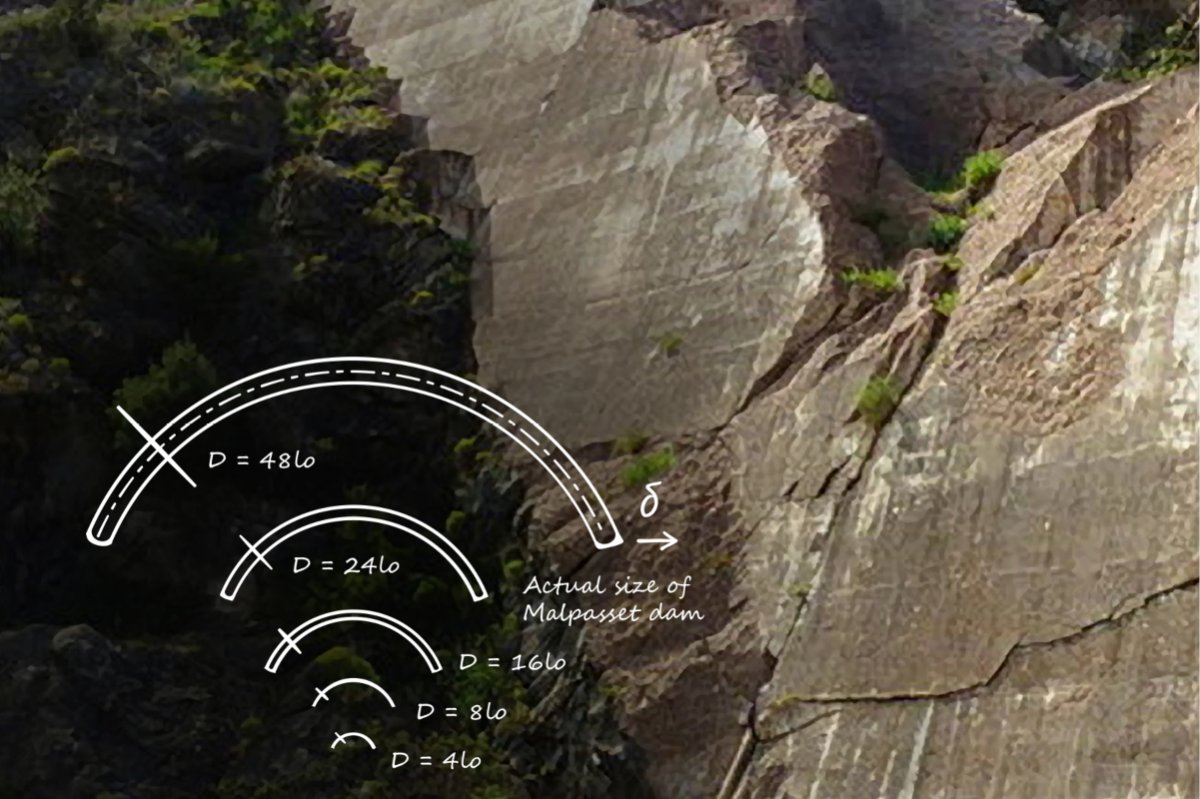
Side of rocky cliff with calculations sketched as an overlay

What you'll study

Geoengineering majors can pursue one of three tracks: 

Geoenvironmental focuses on the interaction between human activities and the earth, including managing contaminated sites, mitigating environmental hazards, and designing sustainable land use practices.

Geofluids explores the behavior and movement of fluids—like water, oil, and gas—through the subsurface, with applications in groundwater management, energy extraction, and carbon sequestration.

Georesources centers on the discovery and sustainable use of earth materials such as minerals, metals, and fossil fuels, supporting resource-efficient development and environmental stewardship.

Career Opportunities

With career opportunities in government, consulting, energy, and environmental sectors, geological engineers solve complex problems that shape the world, and ground, around us. Students graduating with degrees in geoengineering may pursue careers in

  • Design and construction of underground space
  • Slope stabilization
  • Preparation of sites for construction
  • CO2 sequestration
  • Underground transportation systems
  • Supply of drinking water from groundwater
  • Isolation of nuclear and other hazardous wastes
  • Land reclamation associated with surface or subsurface mining
  • Underground exploration for resources such as oil and gas
  • Underground storage of petroleum and natural gas

Experience in the Field

Emily Erhart, geoengineering major, shares

  • how she became interested in geology
  • what she liked about living in the Taylor House
  • her field camp experiences in Dillion, Montana, and northern Minnesota

In their own words...